
















How Young Miko is Rewriting Urbano’s DNA
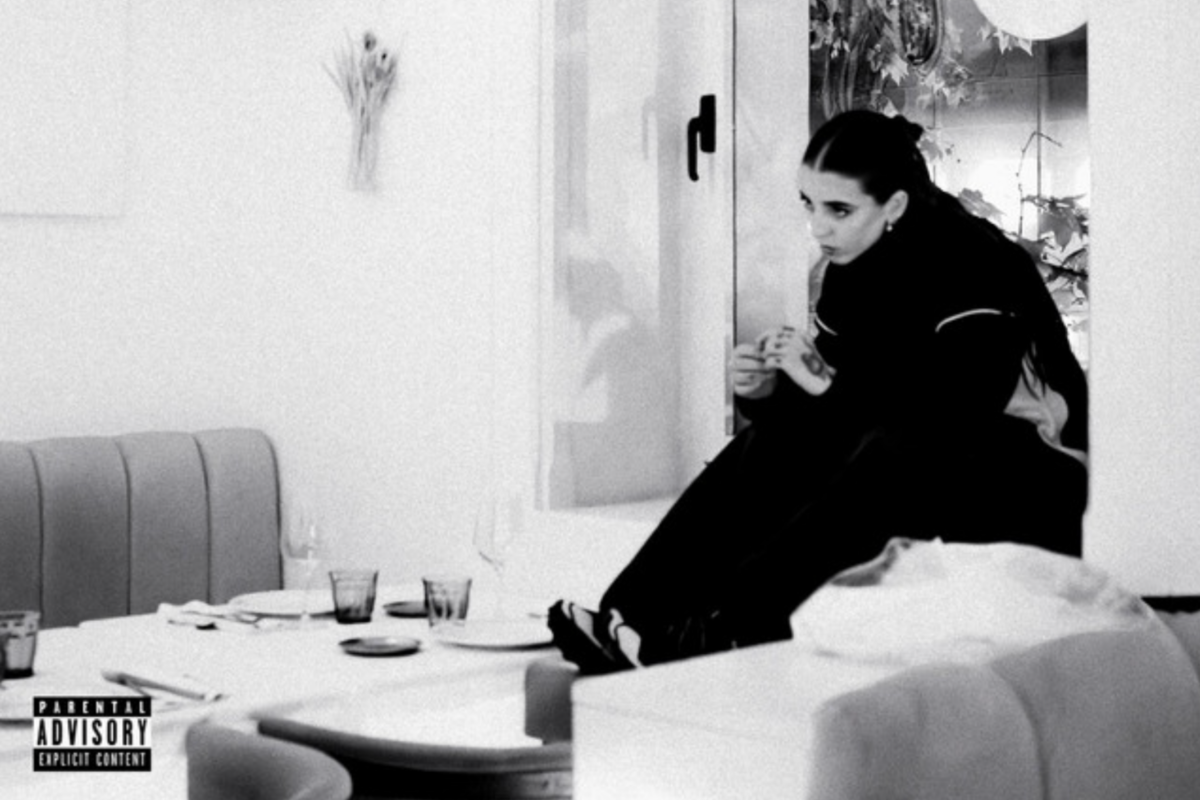
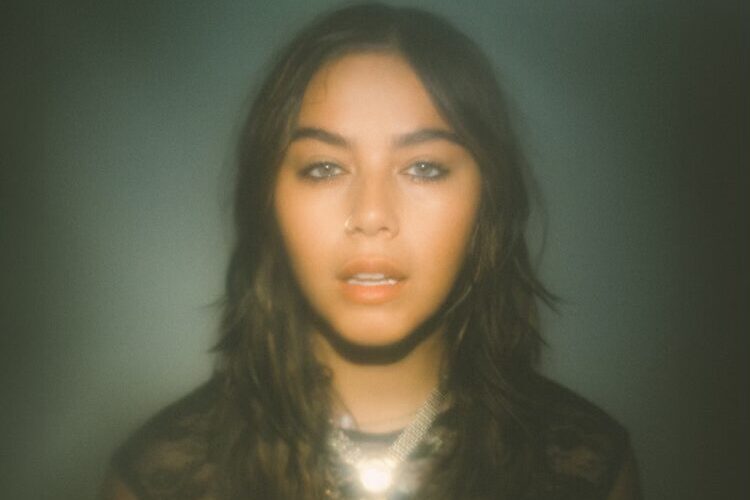
The rise of Puerto Rican reggaetonera, Young Miko, has triggered a cultural mania so strong and universal that her fans have coined it mikosexual. Effectively, mikosexual was never just about attraction; it is a social media-rooted manifestation of representation.
Miko represents a new frontier in urbano and, in part, is a result of the women who cracked the concrete before her: Ivy Queen. For decades, Ivy Queen–– La Reina, La Diva, La Potra, La Caballota–– fought tooth and nail to exist in an aggressively machista music landscape. With hits like 2003 track, Yo Quiero Bailar, she demanded and claimed respect in an industry where women are often sidelined, objectified, or erased. Ivy Queen’s presence was not just revolutionary; at that time, her ambition represented women artists’ universal fight for survival and widespread success. Ultimately, she created a new vocabulary of female power in a genre that did not want to hear it. Alongside her stood pioneers like Lisa M and Glory, and they opened the gates for later mainstream giants like Karol G. These women stretched the possibilities of what a reggaetonera could sound like, and did so by expanding opportunity for self-expression and reclamation.
But, these musicians were either not queer or did not feel comfortable and safe expressing queerness on the main stage. This is the world Young Miko enters and dismantles.
Young Miko’s queerness doesn’t serve as a footnote but a foundation to her work in a genre notorious for its heteronormative scripts. For the first time, women— especially queer women—are seeing themselves not as props, fantasies under the male gaze, or anonymous silhouettes in the background of a music video, but as the center of attention. Through Miko and her entire discography, queer desire is spoken plainly, confidently and without apology.
And perhaps most importantly, Miko has created something that reggaeton desperately needed: a safe space. Her concerts feel like a block party that evidently welcome the queer community. For queer youth across Latin America and the diaspora, living in environments where queerness is still policed, debated, or silenced, Miko’s music exists as a true refuge. Her crowds and albums are a sanctuary painted in neon and 808s, and they remind me that representation isn’t the byproduct; it’s the revolution.
“[We are in a] lesbian renaissance. We say it jokingly, but in reality, that phrase has a lot of power. It’s the girls’ time, and it seems to me that it’s noticeable and feels wonderful. We are in a much more receptive generation.” –– Young Miko
What makes Young Miko’s impact even more profound is that she refuses to be tokenized. Today, queer artists are often invited into mainstream spaces as proof of progress, yet they are rarely allowed to define the culture themselves. Miko steps into the spotlight not as “the lesbian reggaeton artist” but as one of urbano’s most compelling lyricists and voices, period. She is not diversity padding. She is not a marketing bullet point. She is altering the genre’s DNA from within, making it harder for the industry to treat queerness as a novelty again.
Miko is proof that authenticity and success are not opposites—they’re catalysts to one another. And her influence extends far beyond Latin America, too. As urbano globalizes faster and faster, topping charts from Tokyo to Bogotá, Miko’s presence broadcasts a form of Latinidad that hasn’t been visible at this scale before queer Latinidad came to the foreground with artists like her. She embodies a generation unafraid to be both pridefully Boricua and loudly queer, collapsing old binaries and expanding what Latin pop culture can be on the world stage.
Being “mikosexual” is not just fandom, it is cultural alignment with a moment in which reggaeton’s future is presently being rewritten. Young Miko’s recognition is not simply a result of urbano’s evolution, she is leading the change. Between songs on albums like Att. and her most recent release, Do Not Disturb, her music is proof that queer desire belongs here. And that reggaeton, at its best, has always been about claiming the right to exist loudly.
The future of urbano is global. It’s feminine, it’s powerful— and mikosexuals aren’t a trend, but a sign of what’s next.